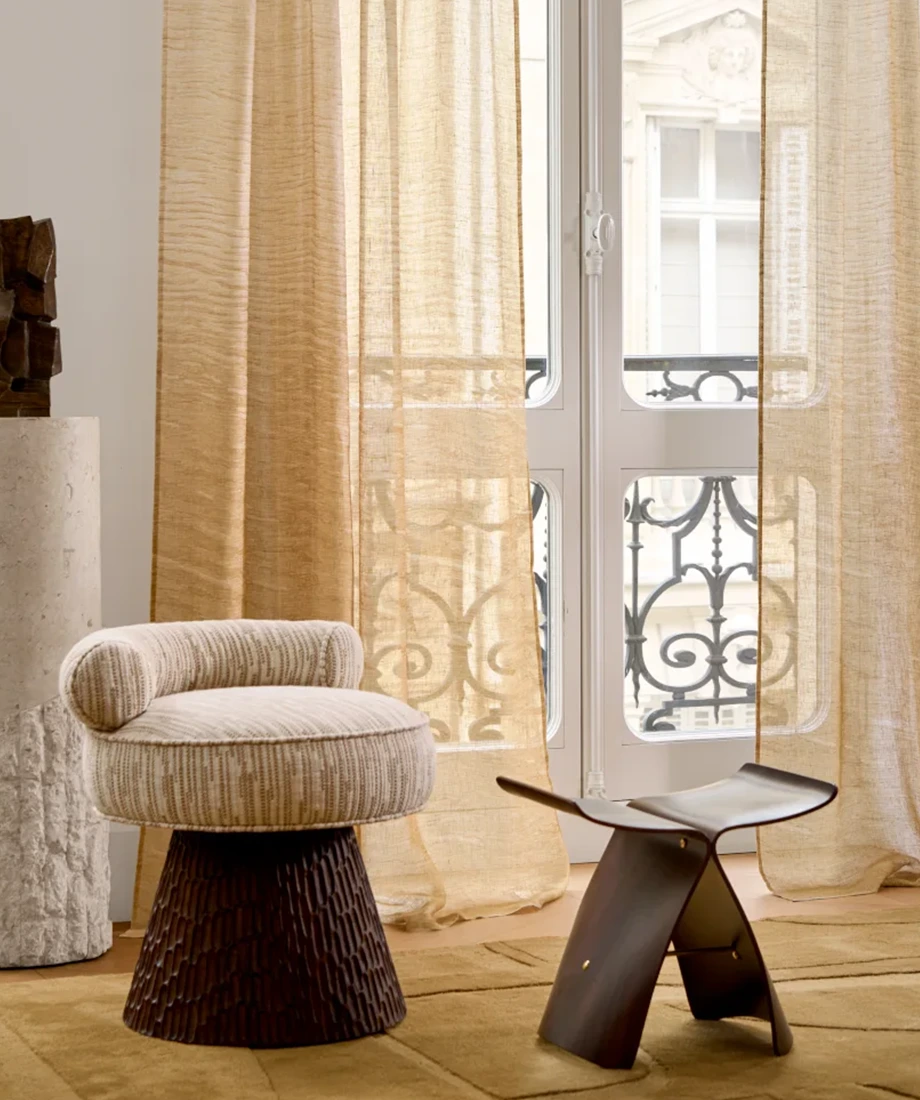

In 2026, furniture design is undergoing a quiet but decisive shift. The industry is moving away from spectacle, excess and constant novelty, and towards a more mature, considered approach – one that prioritises meaning, longevity and human experience over visual impact alone. Rather than reacting to trends, contemporary design is increasingly shaped by intention. It reflects how we want to live, how we want to feel in a space, and how objects can support everyday life over time.
Curated calm over superficial opulence
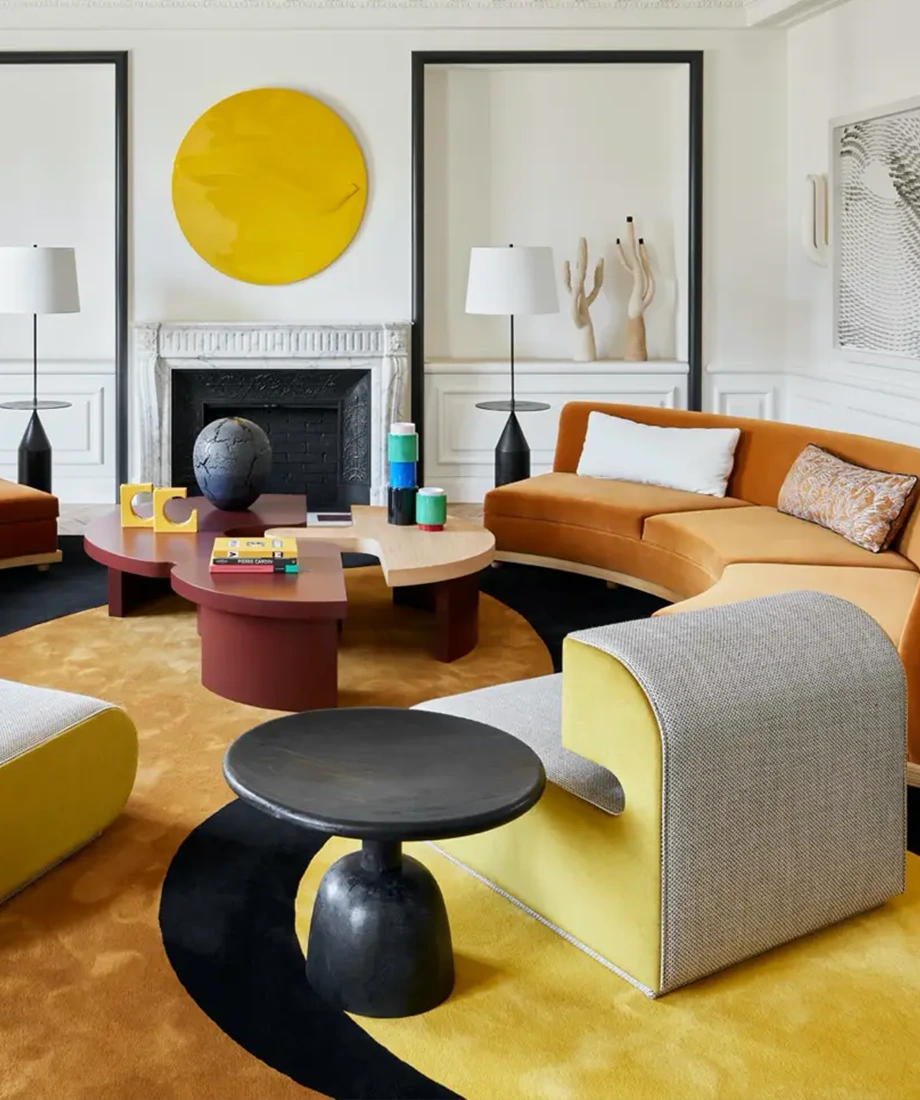
The coming year does not signal a return to stark minimalism. Instead, it points to a more nuanced form of restraint – calm, layered and quietly expressive. Interiors are becoming less about delivering an immediate “wow” effect and more about creating environments that people want to inhabit, return to and stay in.
This shift reflects a growing fatigue with excess for its own sake. Decoration does not disappear, but it becomes more internalised and refined. What remains is a sense of balance: spaces that feel composed rather than composed-for-the-camera.
Curated calm is not an aesthetic trend, but a sign of maturity. It is the result of careful choices – knowing what to keep, what to remove and what truly adds value to a space.
Materiality in its truest form
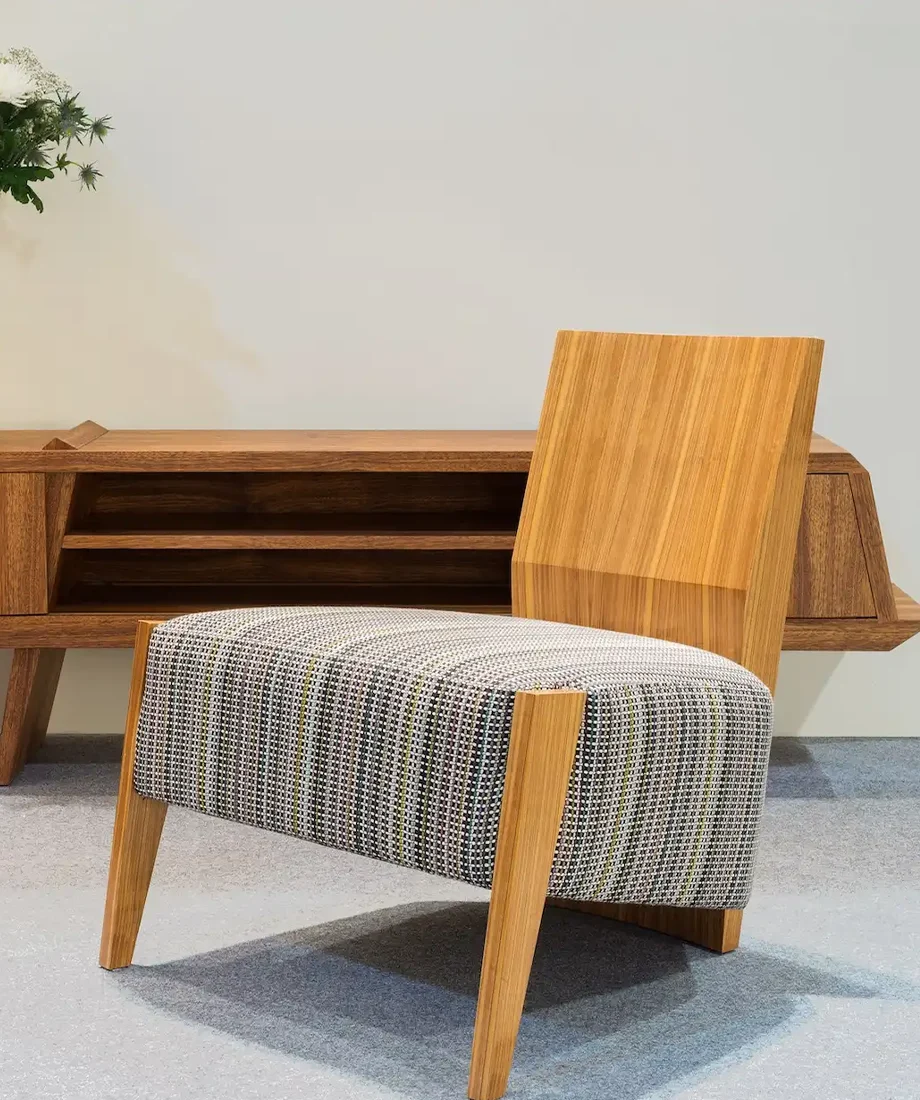
Alongside this shift comes a renewed appreciation for honest materials. In 2026, materials are valued for what they are, not for what they imitate.
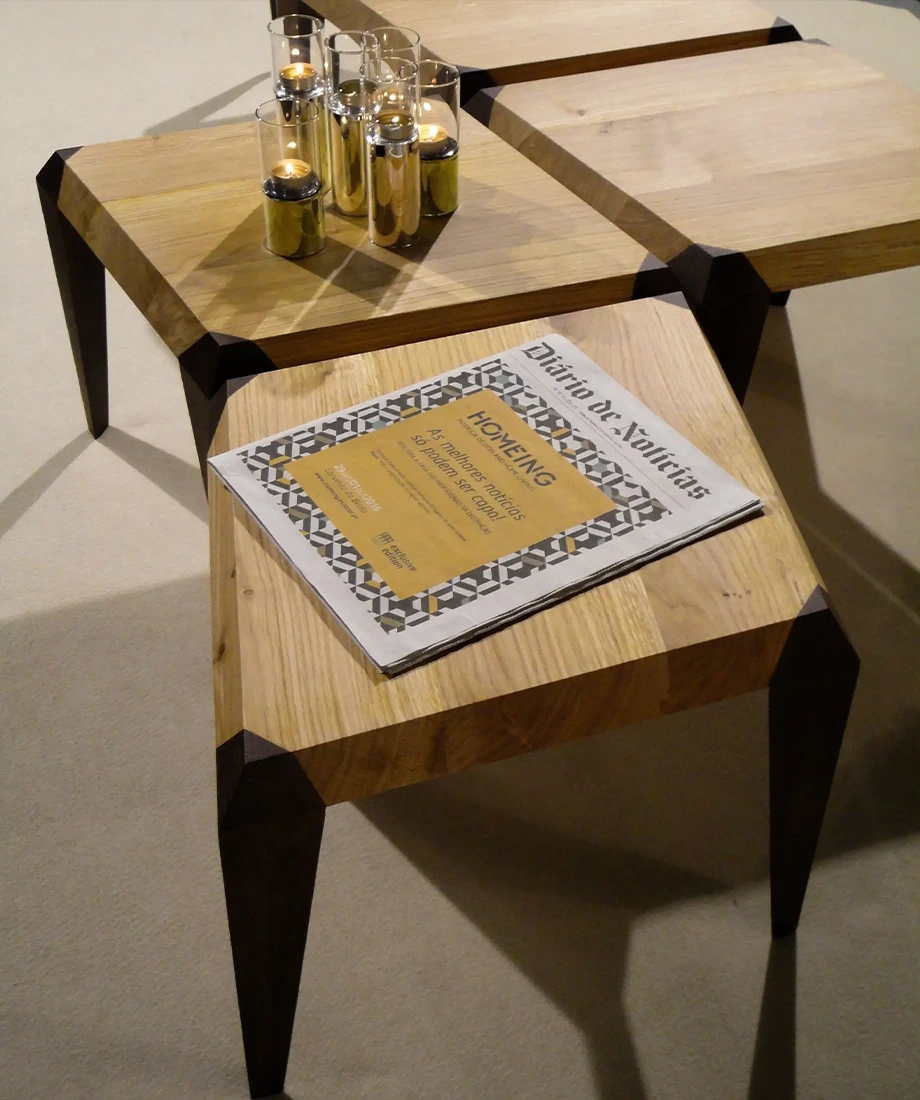
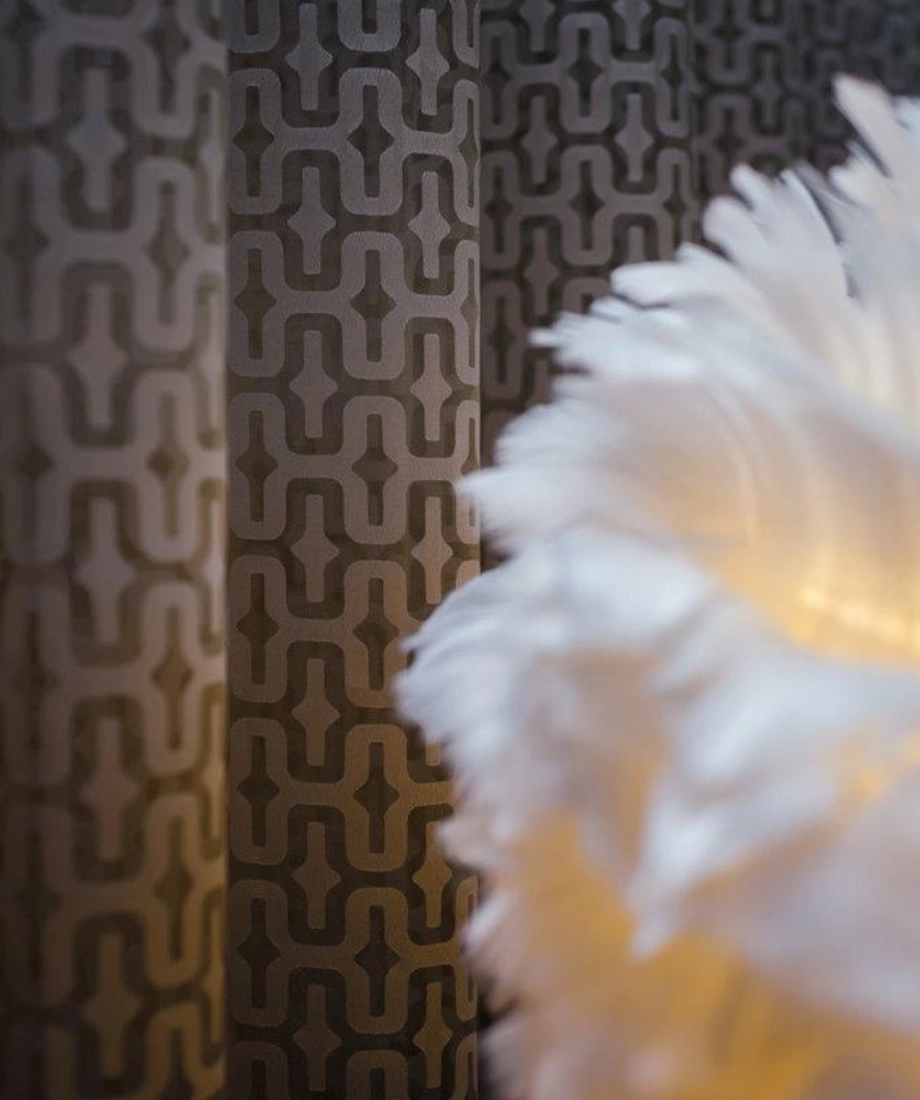
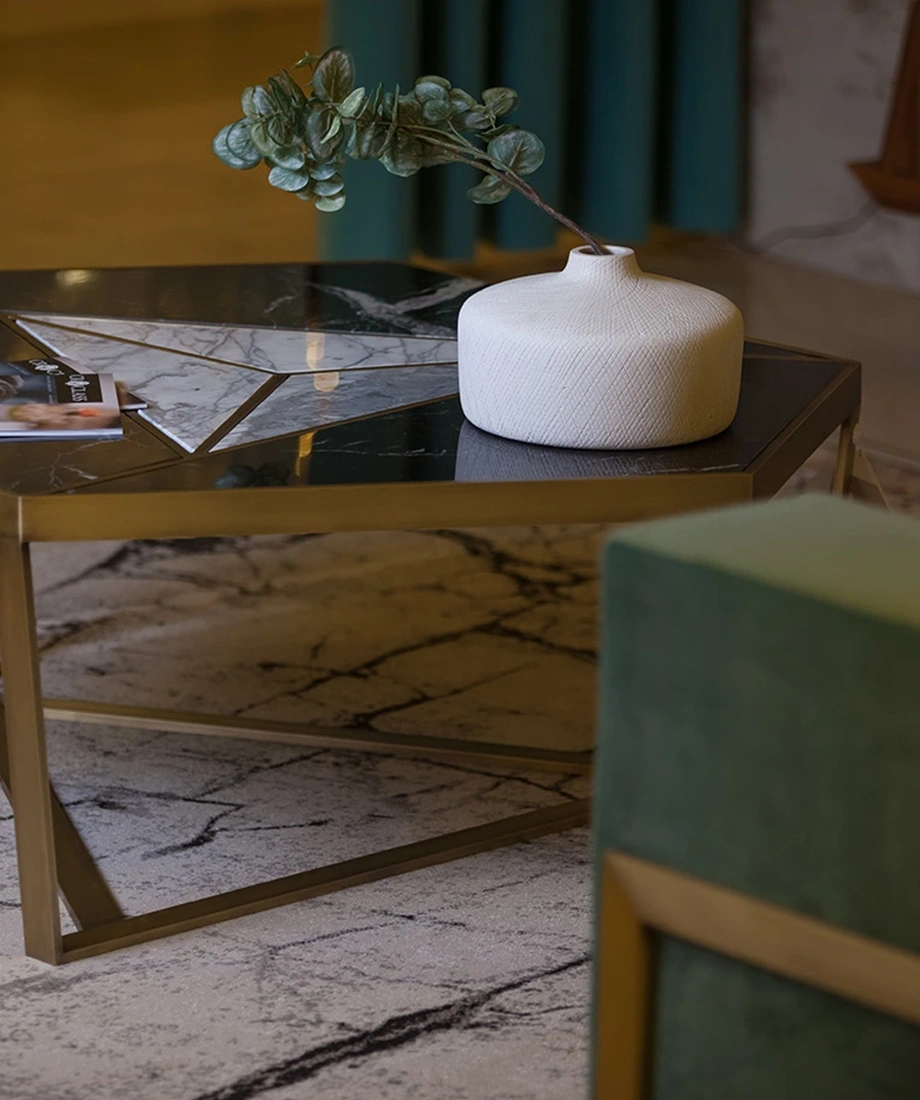
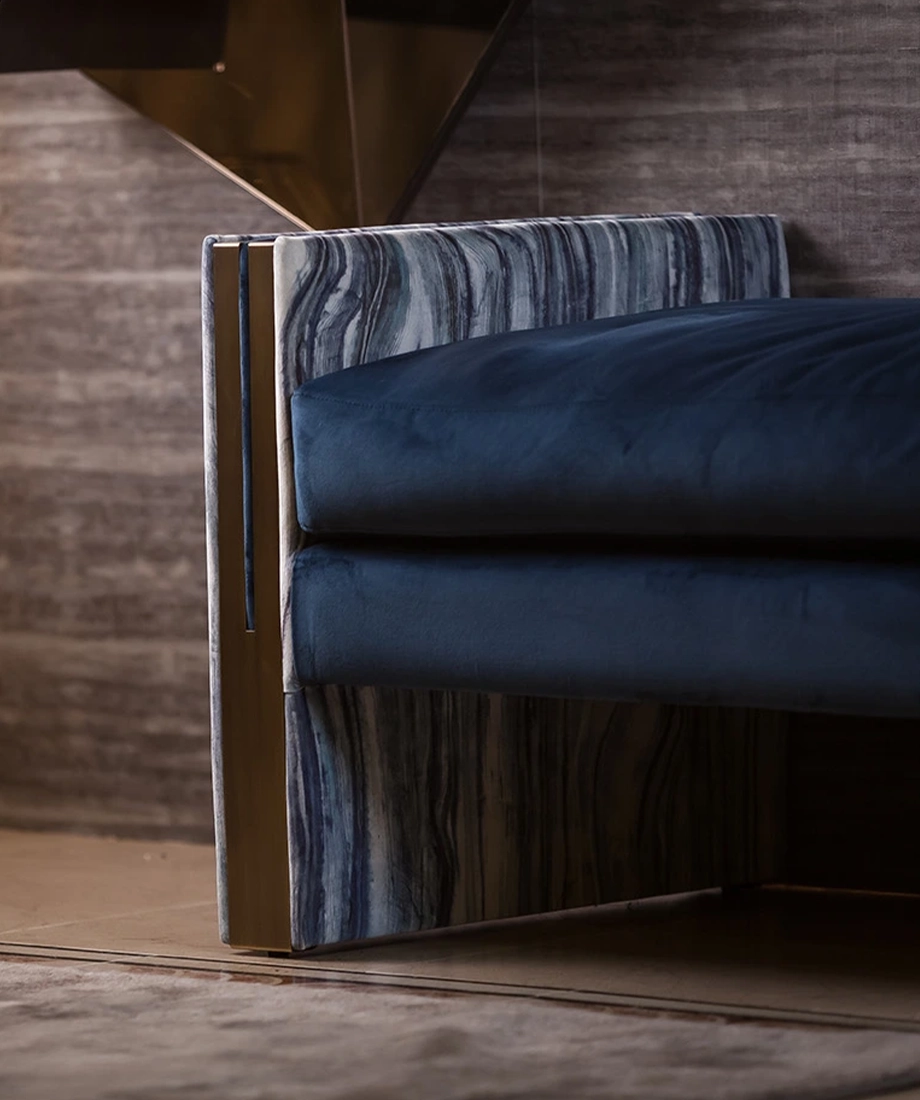
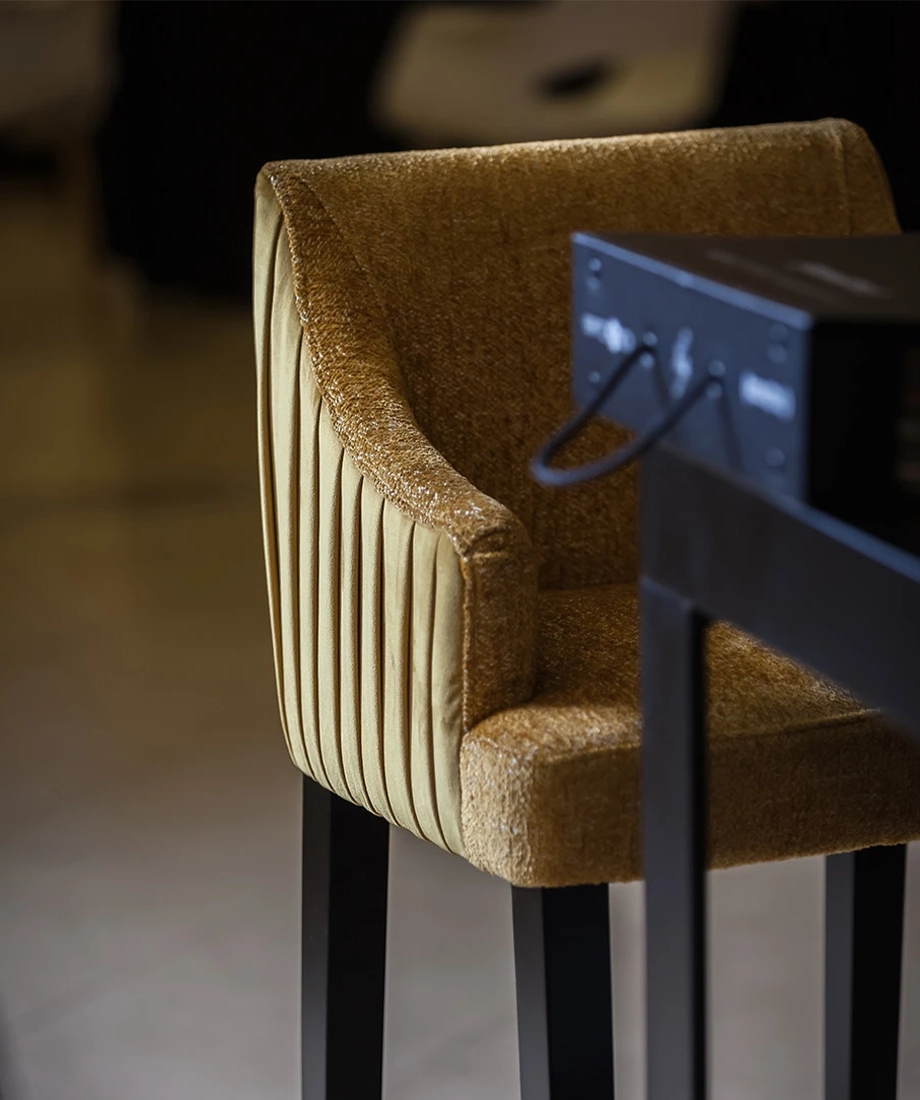
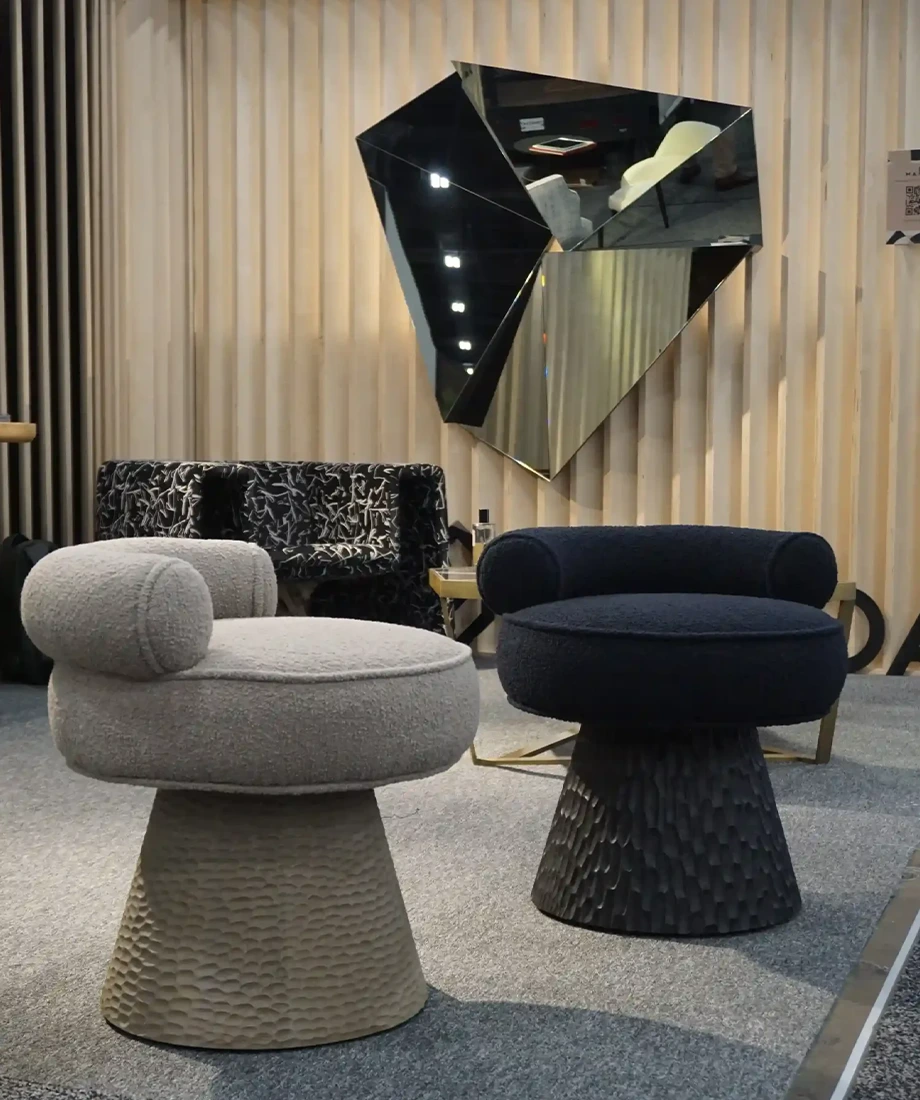
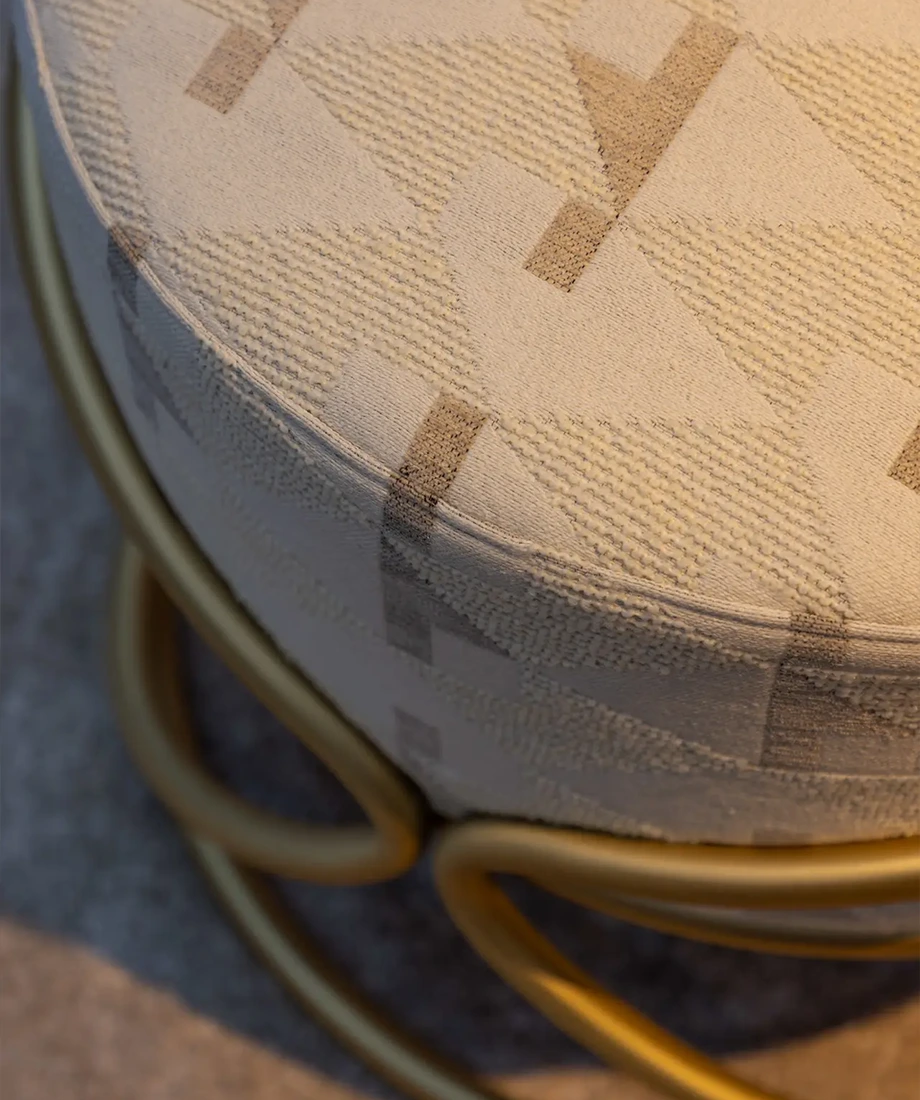
Wood is allowed to show its grain. Fabrics reveal their texture. Surfaces are appreciated for their tactility, patina and natural evolution over time. Rather than being over-processed or concealed, materials are celebrated in their most authentic state.
This approach brings warmth, depth and a distinctly human quality to interiors. It reconnects design with the senses – how a surface feels to the touch, how light interacts with texture, how materials age and change through use.
Longevity as a design principle
Designing fewer pieces, with greater intention, allows for deeper focus on proportion, balance and durability. Longevity is no longer an afterthought; it has become a core design principle.
In a context defined by speed and constant stimulation, creating furniture that endures is both a responsibility and a statement. Pieces designed to last – aesthetically and structurally – resist obsolescence and retain relevance beyond seasonal shifts.
Longevity also implies adaptability. Furniture should belong naturally in different environments, support evolving needs and age with grace rather than demand replacement.
Conscious production and responsibility
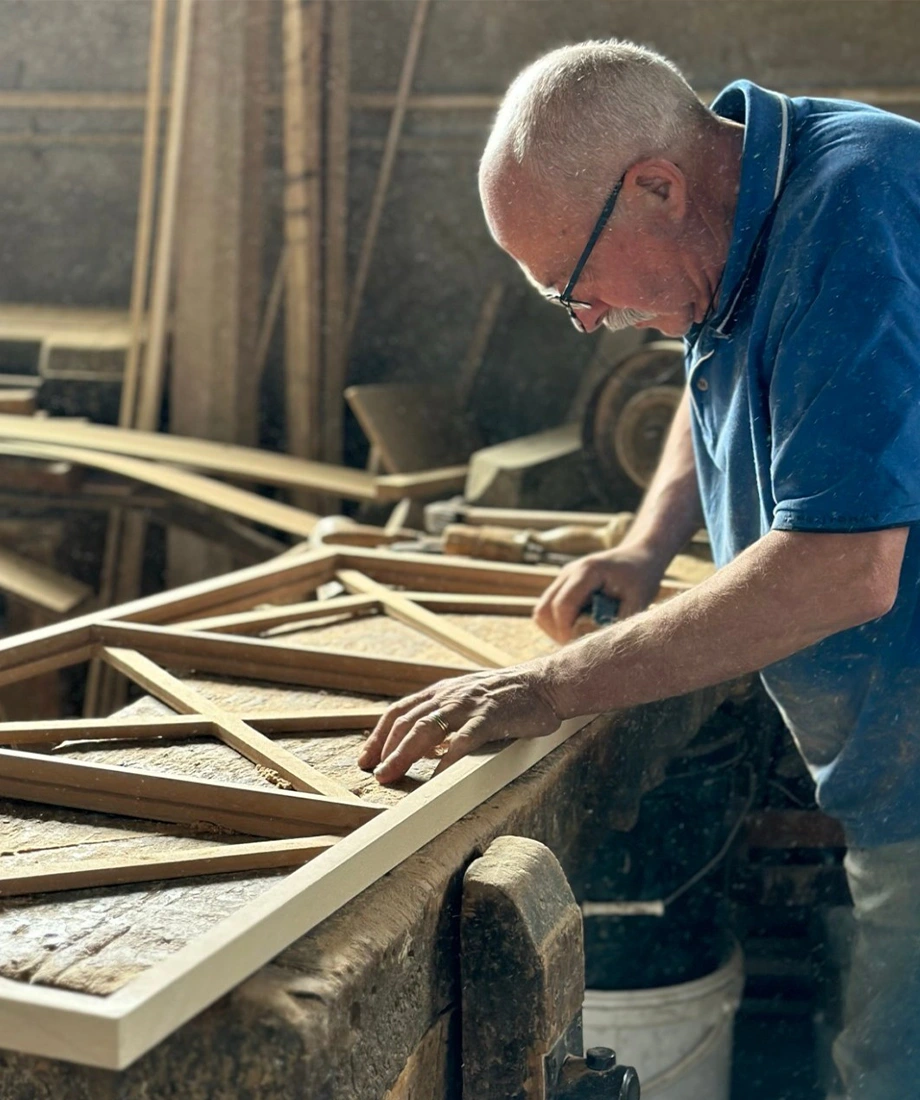
The conversation around design in 2026 extends beyond form and aesthetics. How a piece is made, where it is produced and who crafts it are increasingly central to its value.
Conscious production is not about scale, but about control. It is about understanding materials, respecting processes and allowing time for craftsmanship to inform the final result. When production is approached with care and intention, design regains depth and credibility.
This mindset also brings greater awareness of responsibility – towards resources, towards people and towards the cultural impact of what is created.
Designing for the senses, not just the screen
As digital tools and artificial intelligence continue to accelerate creative processes, there is a parallel desire to reconnect with the physical world. In 2026, meaningful design prioritises sensory experience over visual spectacle.
Spaces are designed to be felt, not just photographed. Light, texture, sound and atmosphere become essential components of interior design. Technology, when present, becomes quieter and more discreet, supporting experience rather than dominating it.
This shift reflects a broader cultural need for grounding, intimacy and emotional connection within the built environment.
Beyond trends
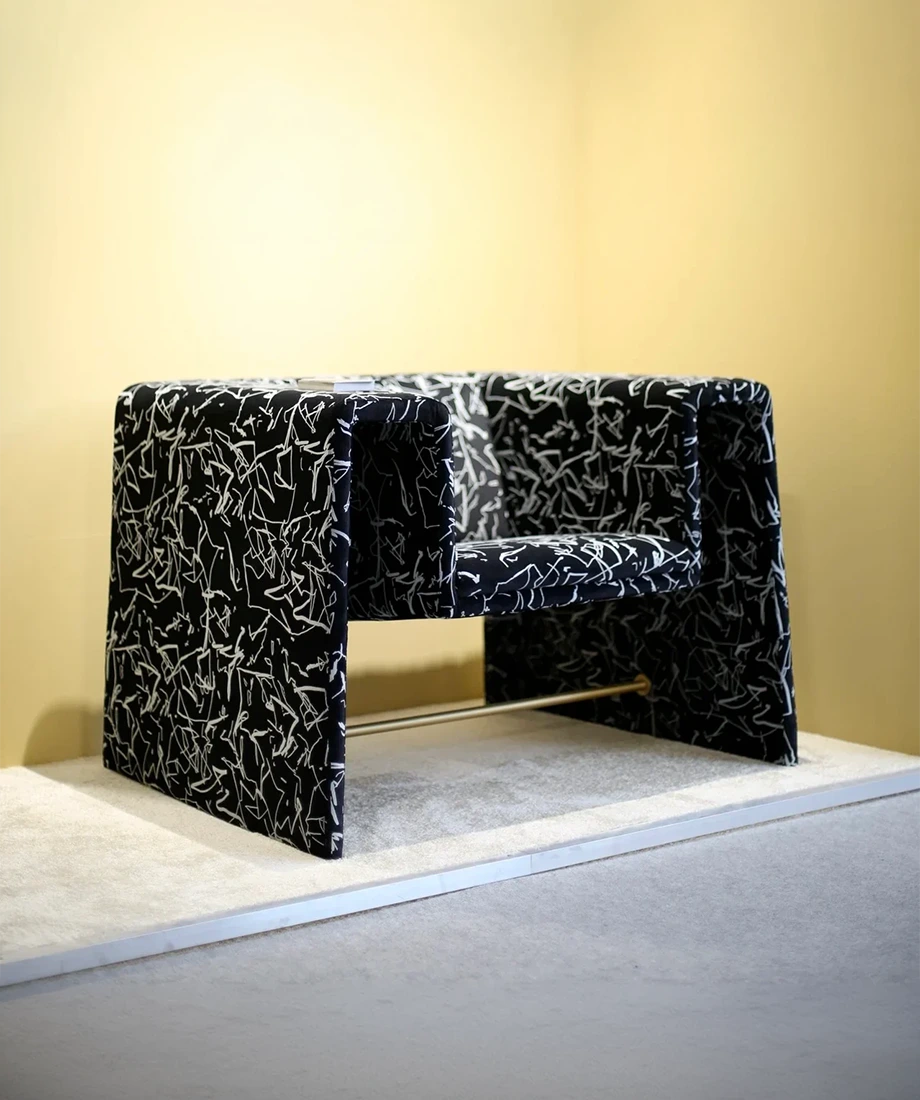
In 2026, furniture design is less about predicting what comes next and more about refining what truly matters. The focus moves away from quantity and novelty, and towards quality, relevance and care.
Design that lasts – physically, emotionally and culturally – becomes the ultimate measure of value. Not because it follows trends, but because it transcends them.