
From tradition to intention
Craftsmanship is often associated with nostalgia: memories of traditional workshops, slow production and objects from another time. Yet in today’s design landscape – defined by speed, automation and visual overload – craftsmanship has become something else entirely: a conscious, contemporary choice.
For architects and interior designers, the question is no longer just how a piece looks, but how it is made, how it feels in everyday use and how long it will remain relevant in a space. In this context, craftsmanship is not a decorative story. It is a strategic value.
If craftsmanship once stood mainly for heritage, today it stands for intention. It reflects time, care and knowledge deliberately invested in each detail of an object.
A crafted piece embodies decisions about materials, construction and finish that go beyond aesthetics. It represents responsibility towards longevity, repairability and the overall experience of use. When a client sits in a chair or runs their hand along a table edge, they are not only perceiving a form – they are experiencing the sum of many precise, intentional choices.
Design and making as one process
One of the clearest shifts in contemporary design is the understanding that production is not an afterthought. The way something is made shapes its proportions, its structure, its comfort and its lifespan.
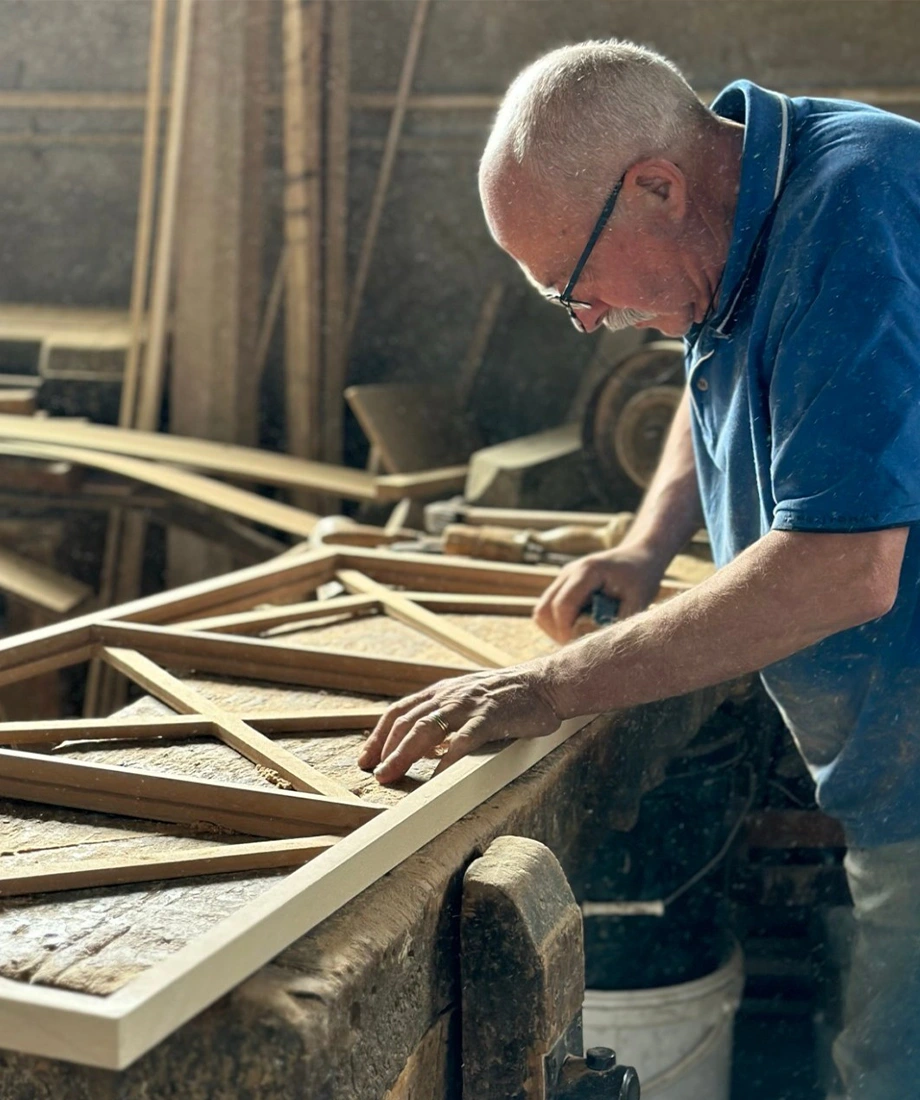
At MAMOA, design and making are treated as a single, continuous process. From the first sketch to the final piece, we test, adjust and refine details such as joinery, thickness and curvature to ensure that each piece feels resolved in space. Instead of separating design from execution, we keep a close, ongoing dialogue with the people and places where our furniture is made, reviewing details at a 1:1 scale and aligning decisions directly with those who build the pieces.
For architects and interior designers, this translates into reliability: the furniture specified in a project is the result of a process where construction, comfort and finish have been carefully considered, not left to chance.
Craftsmanship made visible: HYPATIA Desk
This approach becomes tangible in pieces such as the HYPATIA Desk. Its curved lines, layered materials and precise hardware make the design process visible: every radius, edge and junction has been refined to balance structure, tactility and comfort in use.
HYPATIA shows how craftsmanship shapes not only the aesthetic of a piece, but how it supports focused work, how it feels to the touch and how it occupies a space over time.
Craftsmanship made tangible: SIMONE Bench
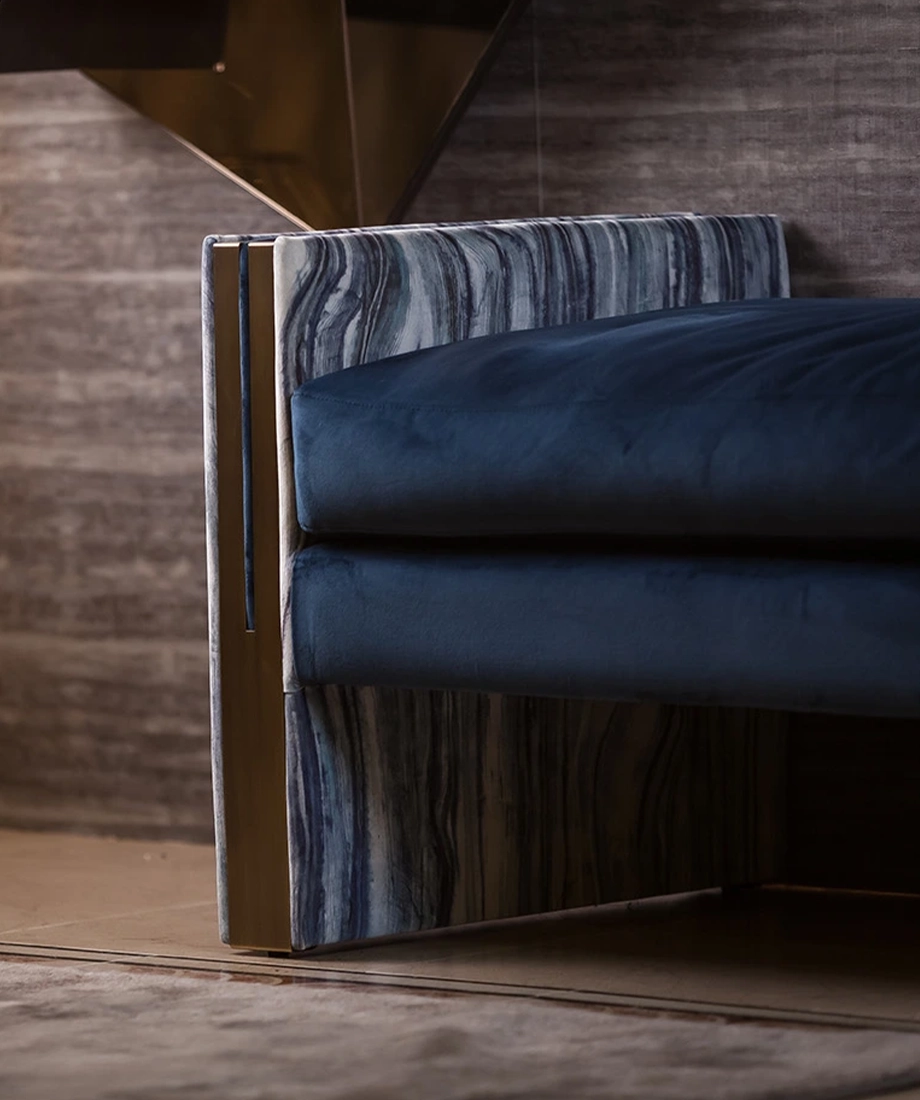
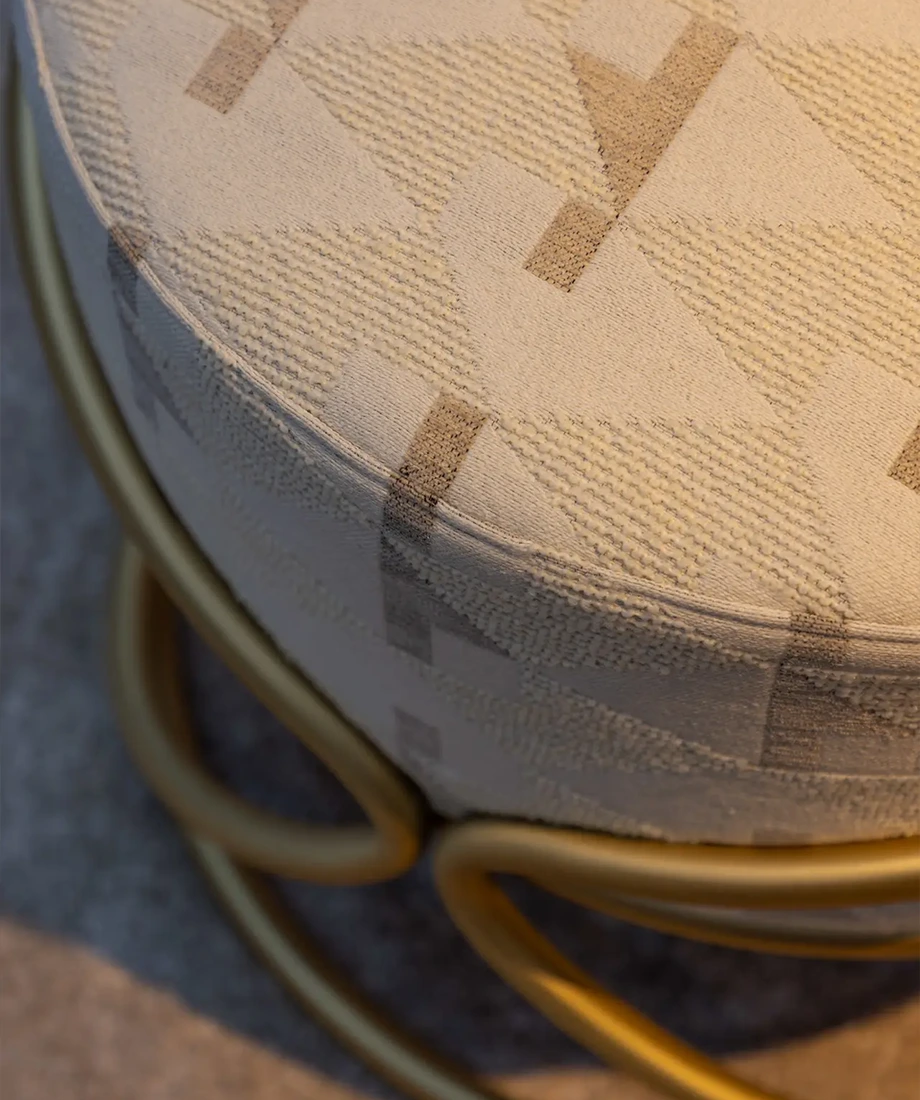
The SIMONE Bench reveals another side of the same logic. A continuous upholstered volume, defined by proportion and subtle geometry, translates craft into comfort and quiet presence rather than ornament.
Through the way the seat is constructed, the way the upholstery wraps the form and the way the bench relates to surrounding architecture, SIMONE demonstrates how carefully resolved details can create a piece that invites pause, dialogue and long-term use.
Material honesty and sensory experience
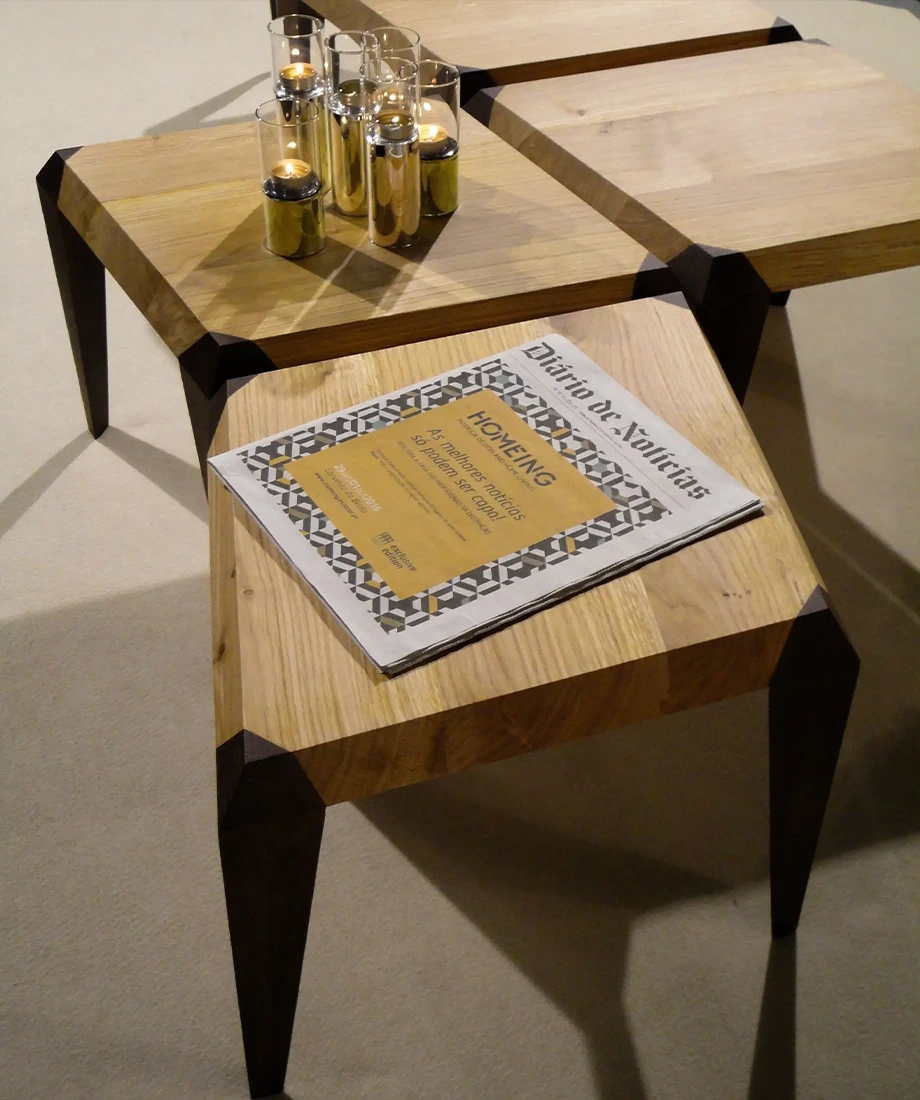
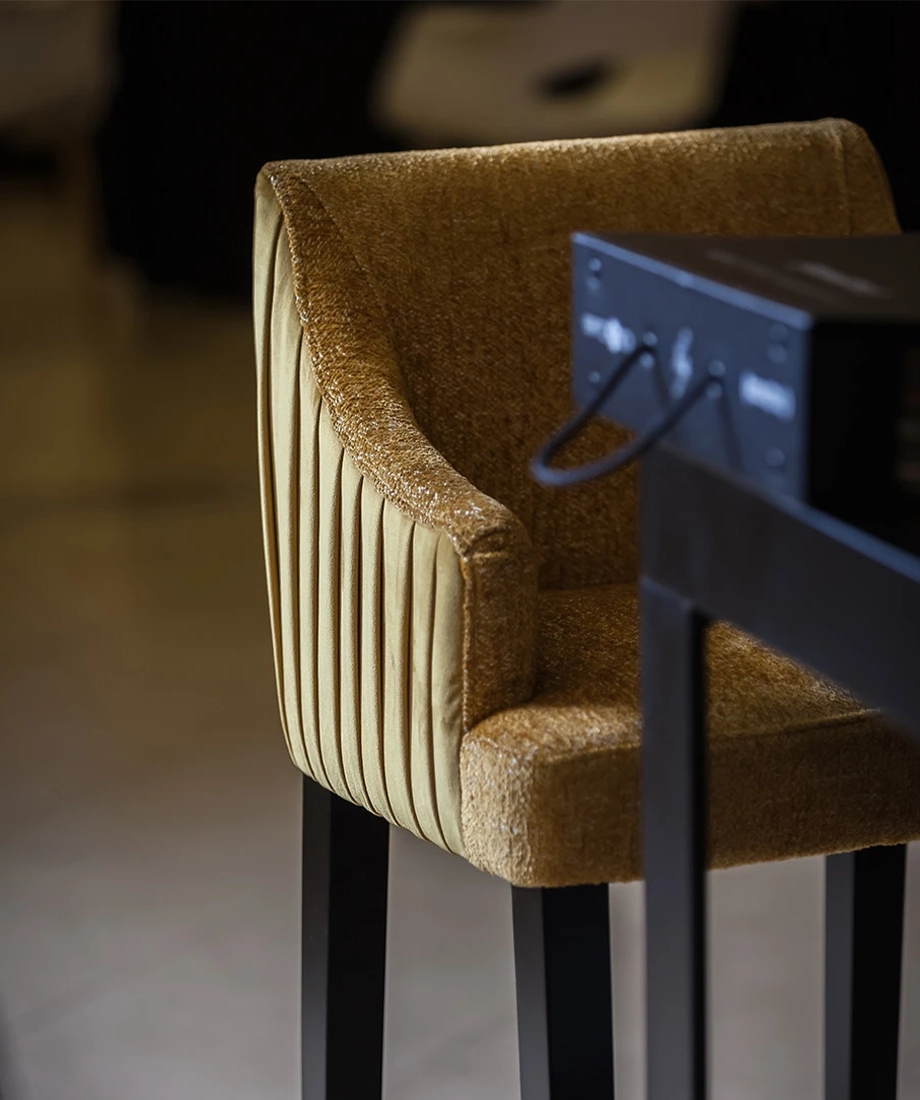
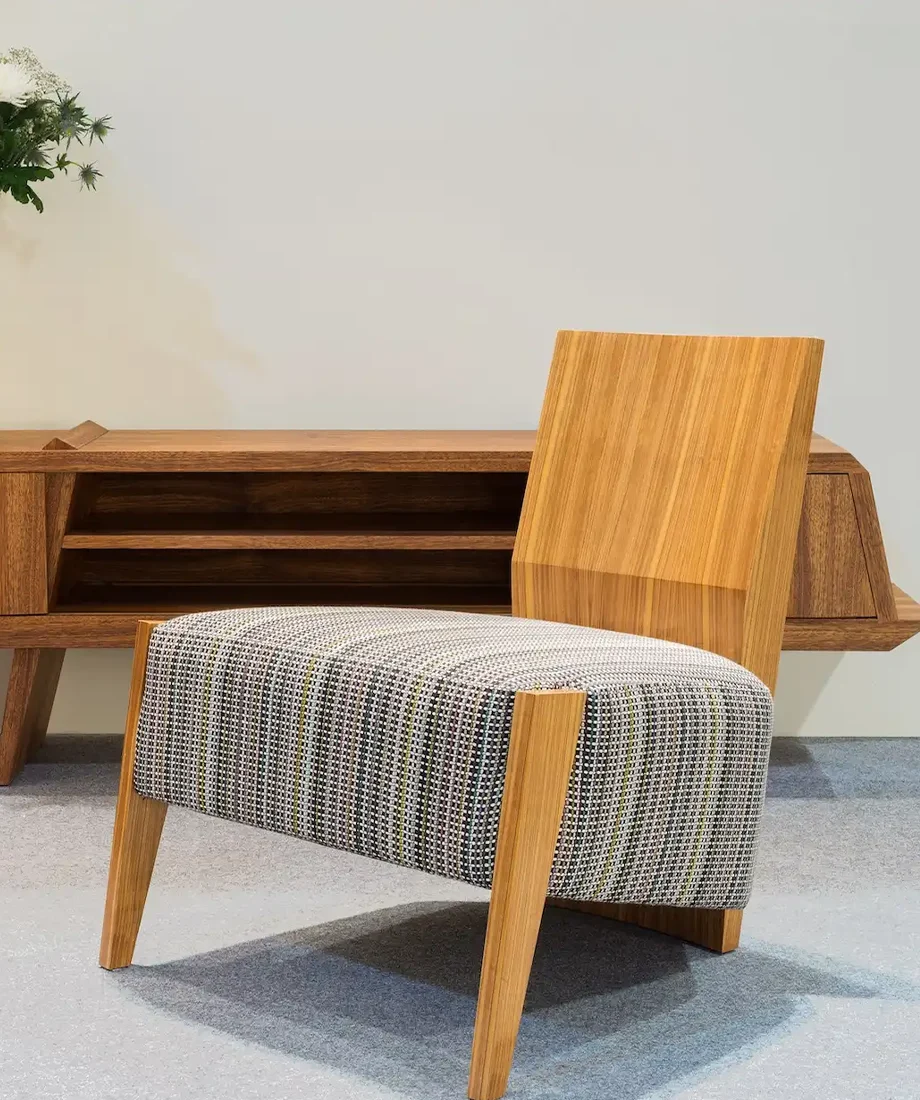
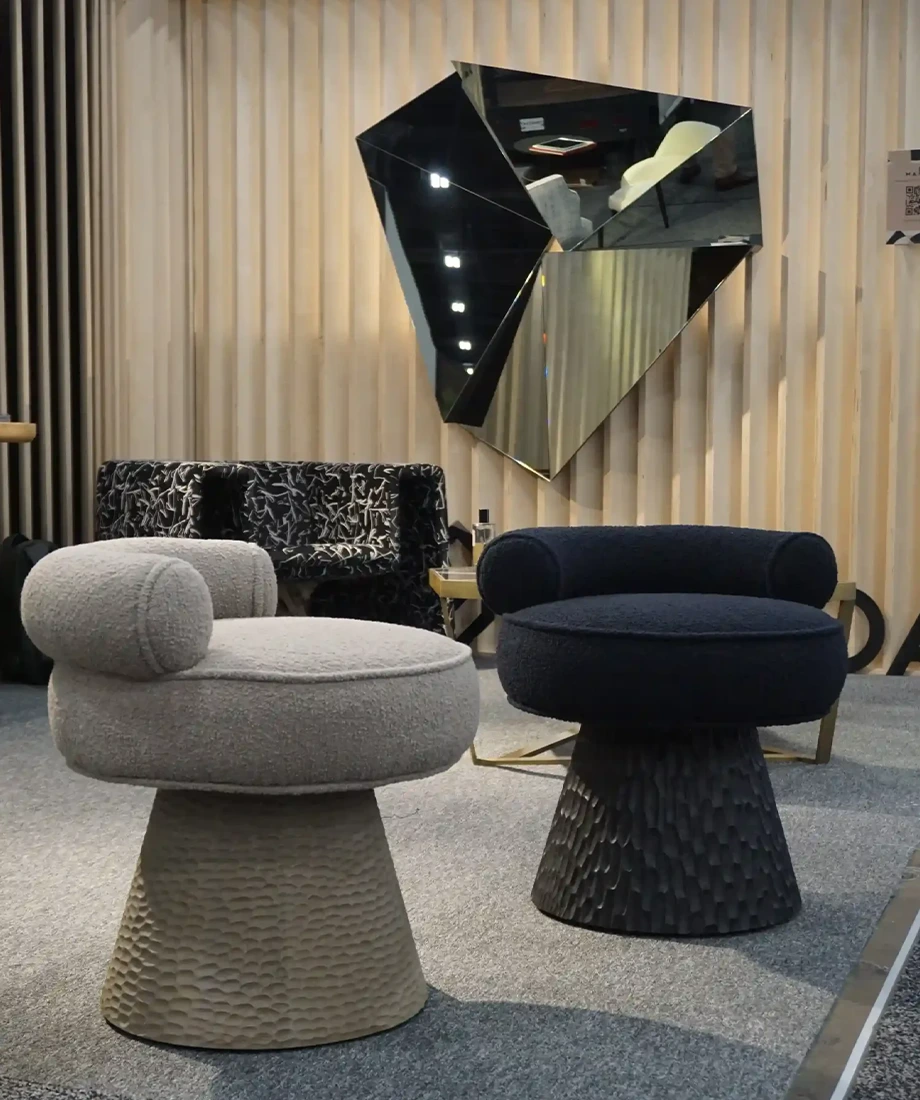
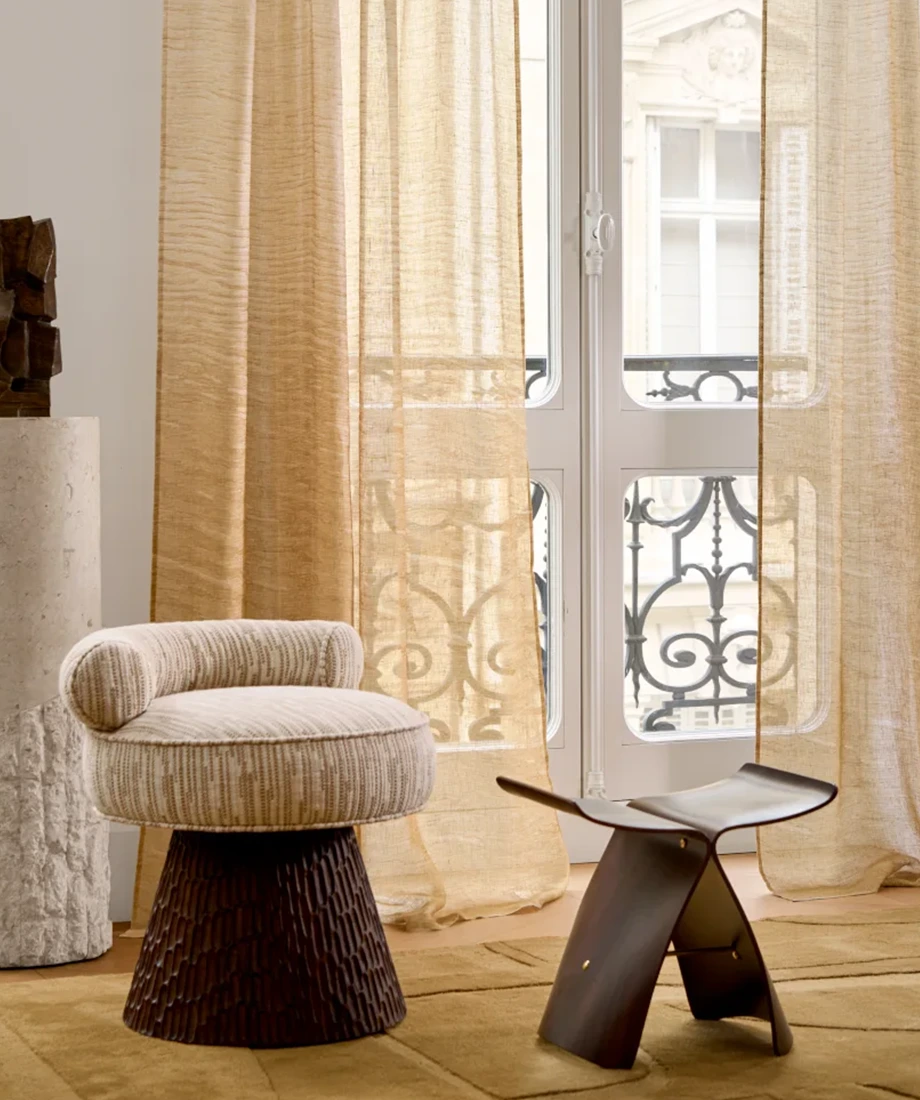
Across our collections, materials are allowed to express their own character – through grain, texture, depth of colour and the way surfaces respond to light. A warm wood surface invites touch and everyday use, while carefully selected fabrics support comfort and a sense of ease.
By choosing materials for both durability and sensory qualities, we aim to create furniture that is experienced fully – visually, physically and emotionally. For design professionals, this helps build spaces that feel calm, grounded and genuinely comfortable to inhabit.
A contemporary choice, not nostalgia
In this sense, craftsmanship is not about going back in time. It is about choosing a way of working that gives weight to care, expertise and human presence in objects.
At MAMOA, this has guided us from the beginning: creating furniture that endures, feels good to the touch and carries the signature of careful making. For architects and interior designers designing with these values in mind, craftsmanship is not a secondary detail, but one of the most powerful tools to shape the experience of a space.